Average Reviews:

(More customer reviews)The approach of this analysis was:
1) to determine the factors and historical conditions that resulted in the successes of the Green Revolution of 1960-1990 in Latin America, S Asia, E Asia and SE Asia
2) to consider parallels and differences with the 'Gene Revolution' on-going today which is proceeding in N America, China, Argentina but stalled in Europe & Africa.
The author argues that the Green Revolution was able to mobilize 'shuttle-bred' crops with nitrogen-based fertilizer & chemical pesticides to increase production of corn, rice, and wheat about threefold over these 30 years. Funding from Rockefeller Foundation, USAID, UN,funded these improvements and governments of industrializing nations also financed tractors and irrigation on a vast scale. The author contends that much of this aid must be understood in Cold War terms. Cheap, sufficient food supply was perceived by Western govts. & international aid donors as a deterrent to the rise of communism.
In contrast, the 'Gene Revolution' has been driven by private research & development, mostly multinational agribusinesses like Monsanto,Sygenta, etc. GM technology is not as conventional as shuttle breeding and GMC acceptance by farmers and consumers is far from assured. The developed world's aid donors are not of one mind on GMCs as they were during the Green Revolution.
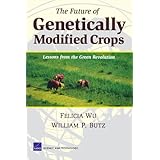
Click Here to see more reviews about: The Future of Genetically Modified Crops: Lessons from the Green Revolution
Investigates the circumstances and processes required to establish the new Ogene Revolutiono in which genetically modified crops are tailored to address chronic agricultural problems in specific regions of the world.


0 comments:
Post a Comment